Past Workshops
Virus Evolution and Genomics Workshop
8–12 September 2025 · Gaborone, Botswana
| When | Where | Participants | Focus |
|---|---|---|---|
| 8–12 Sept 2025 · 5 days | Gaborone, Botswana | 46 in-person · 9 African countries | Viral genomics · phylogenetics · outbreak response |
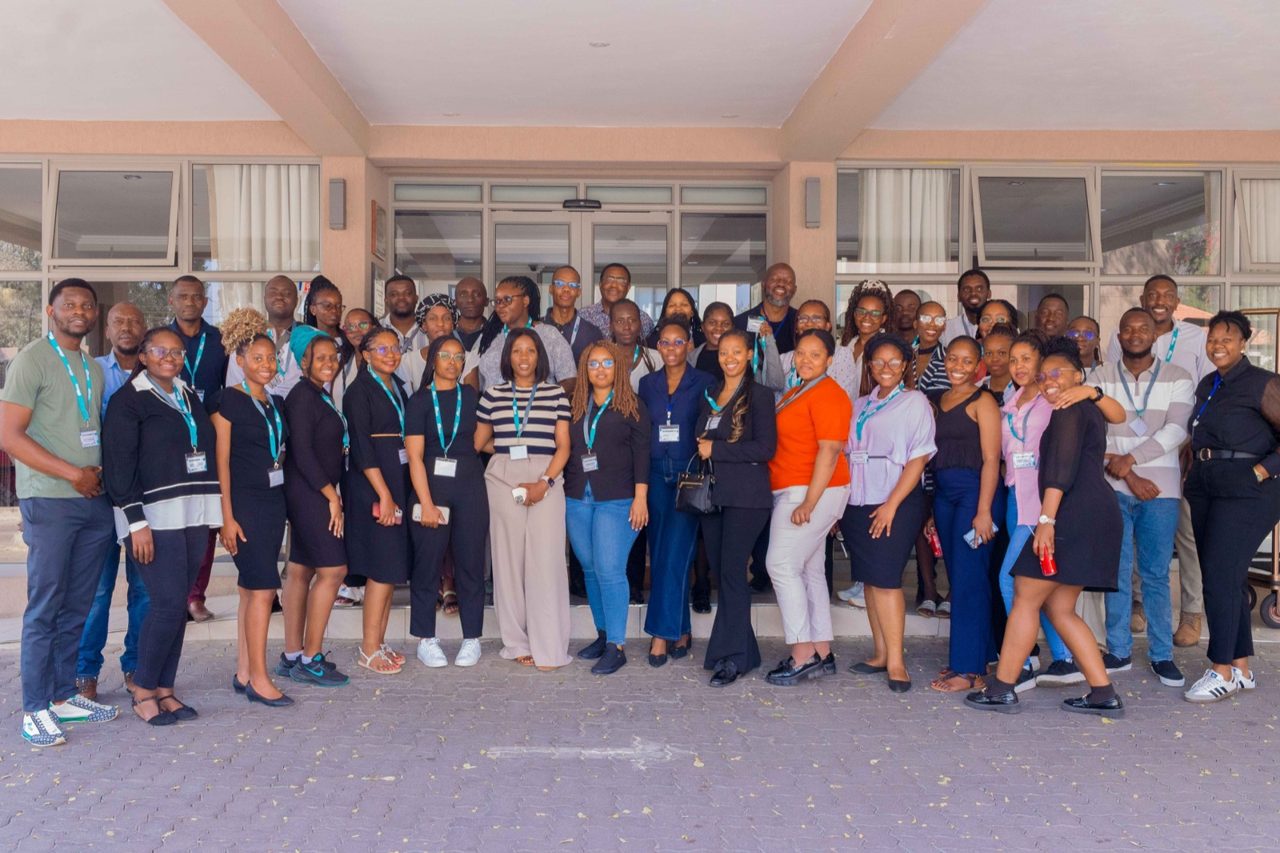
Strengthening African research collaboration and capacity
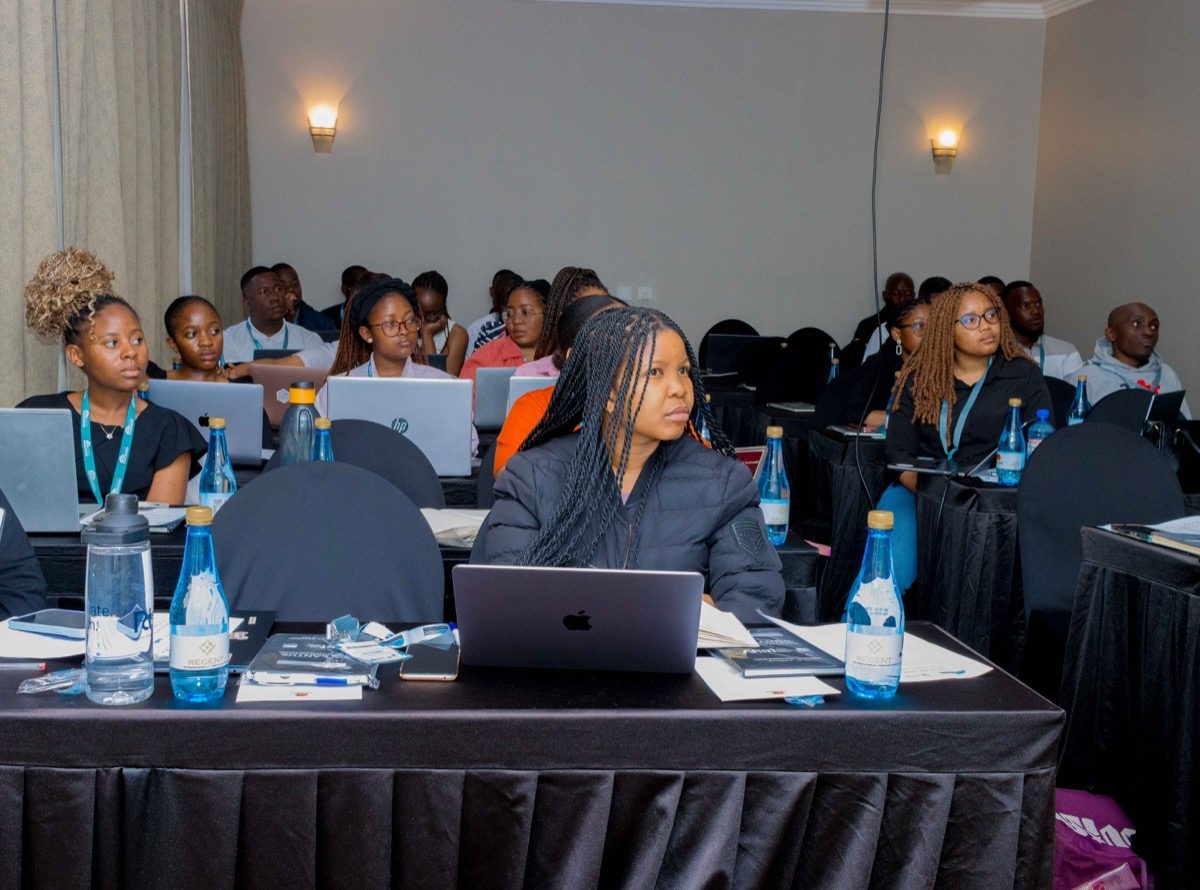
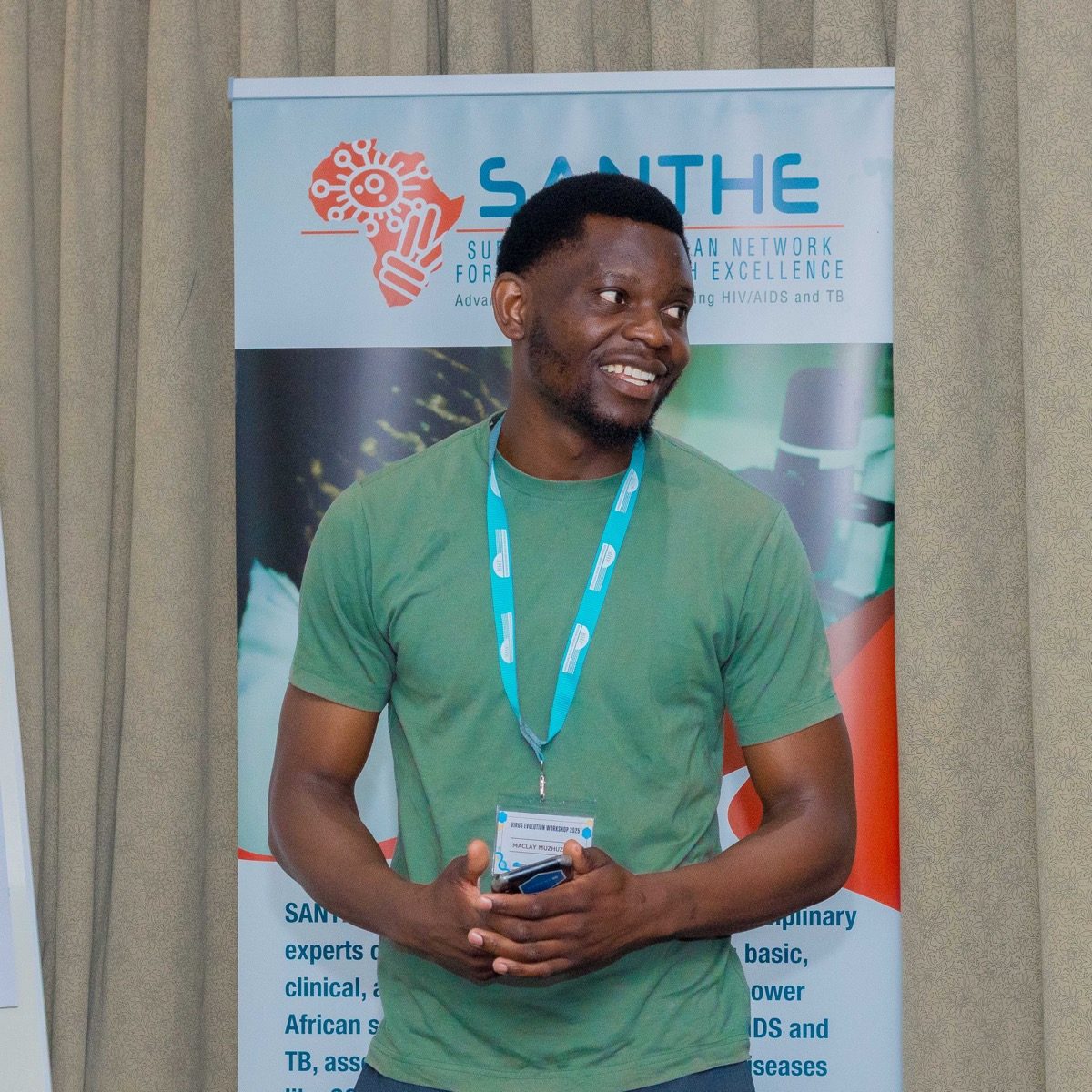
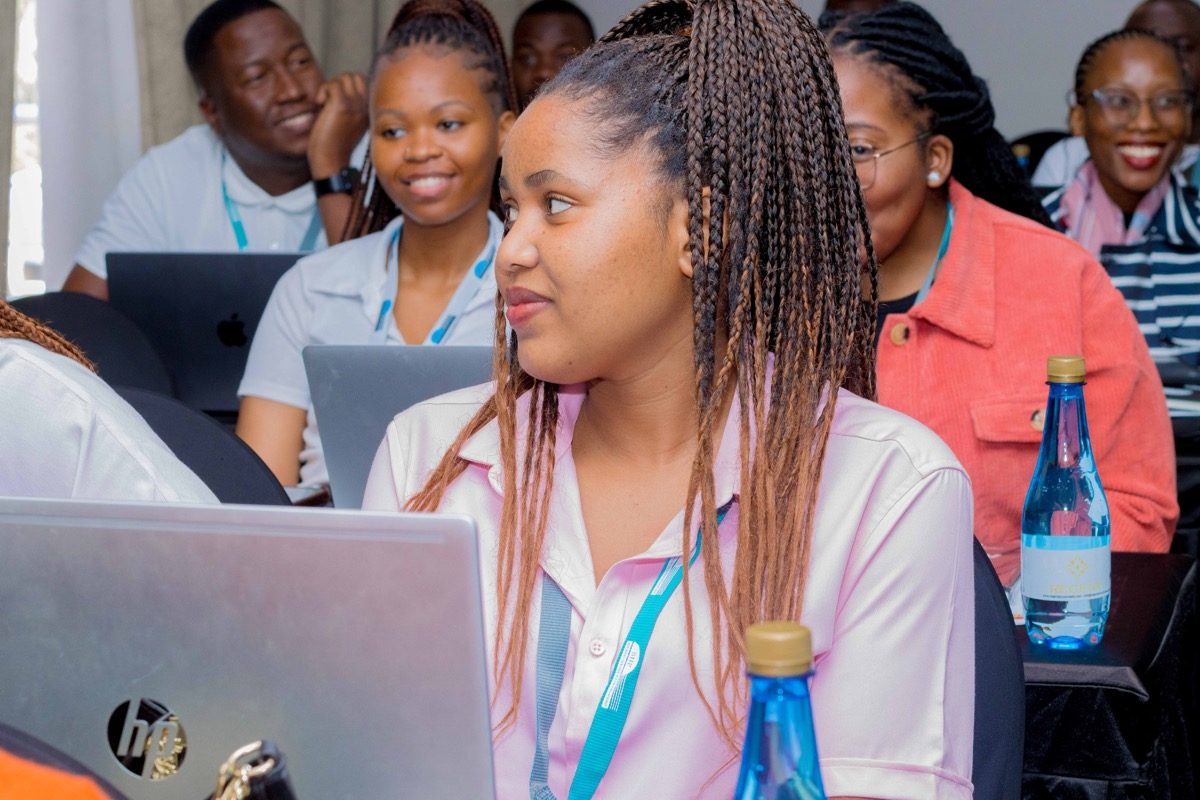
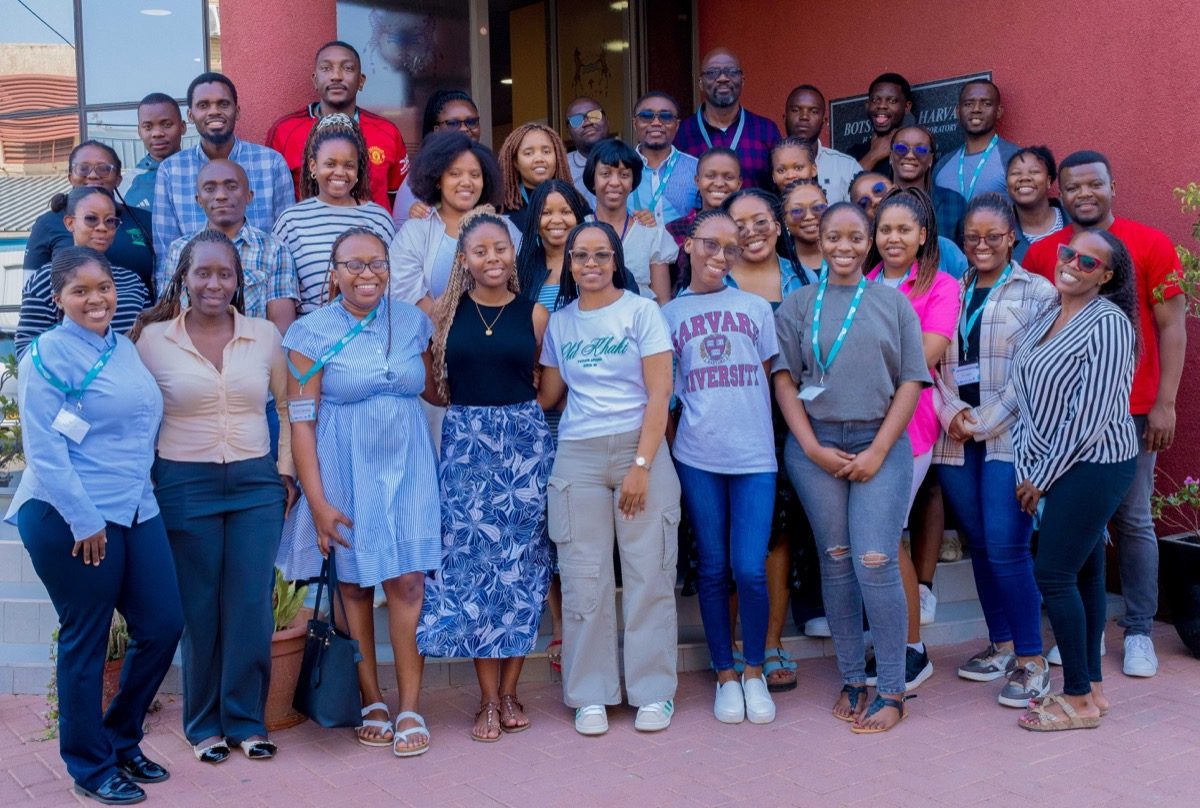
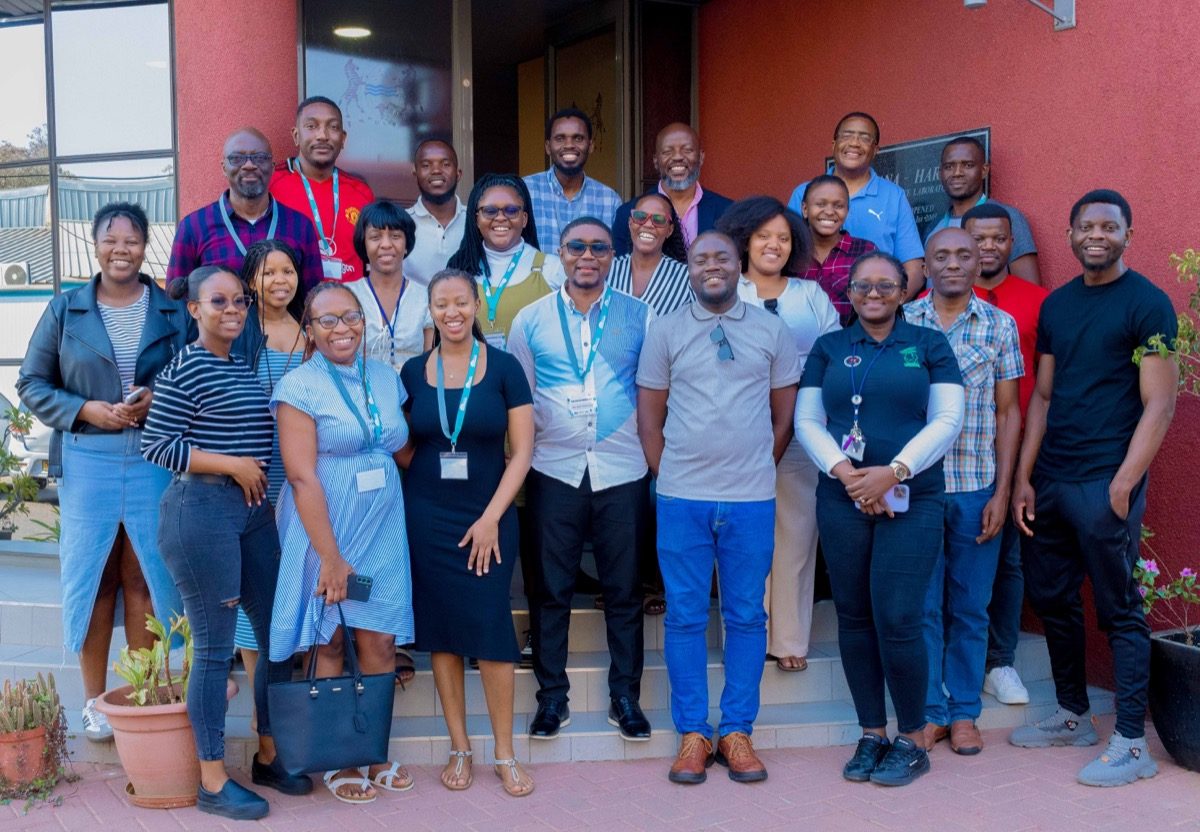
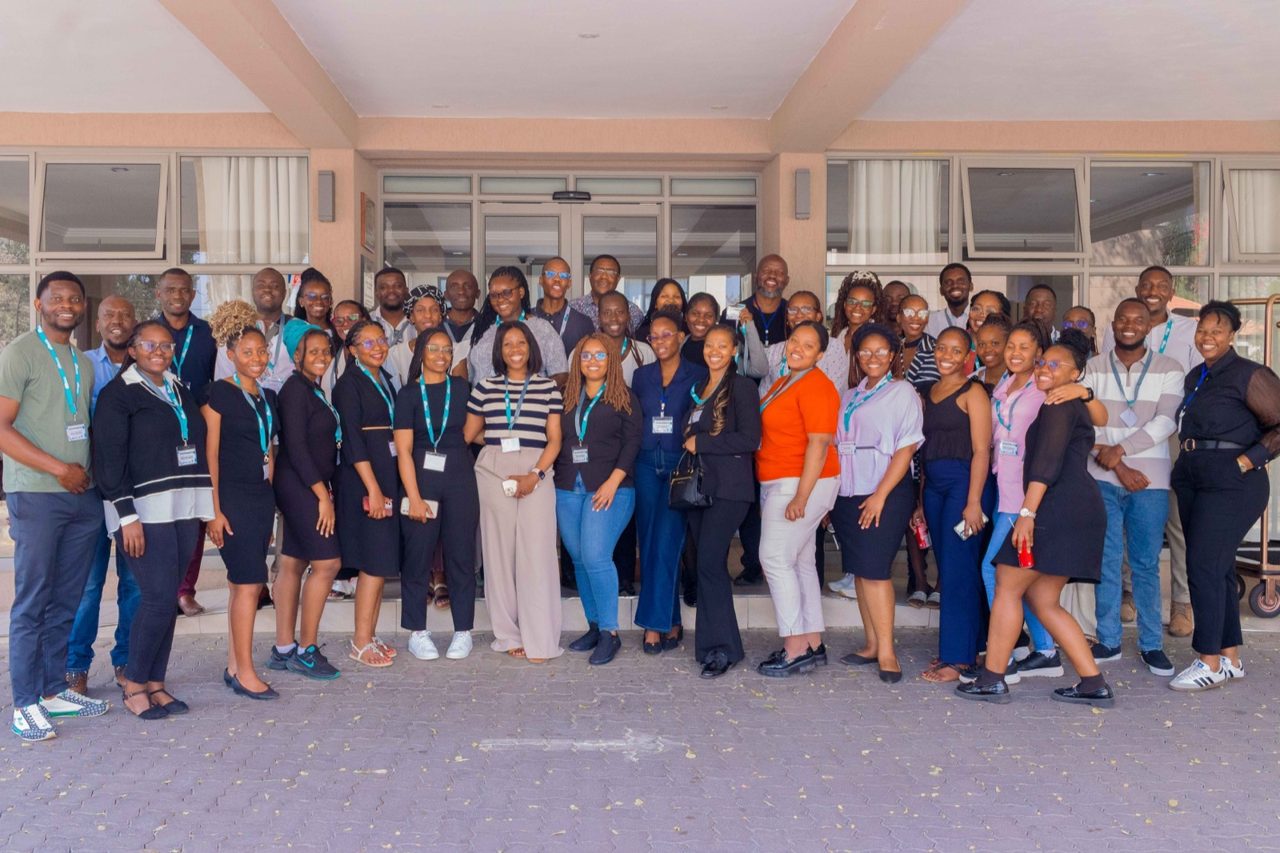
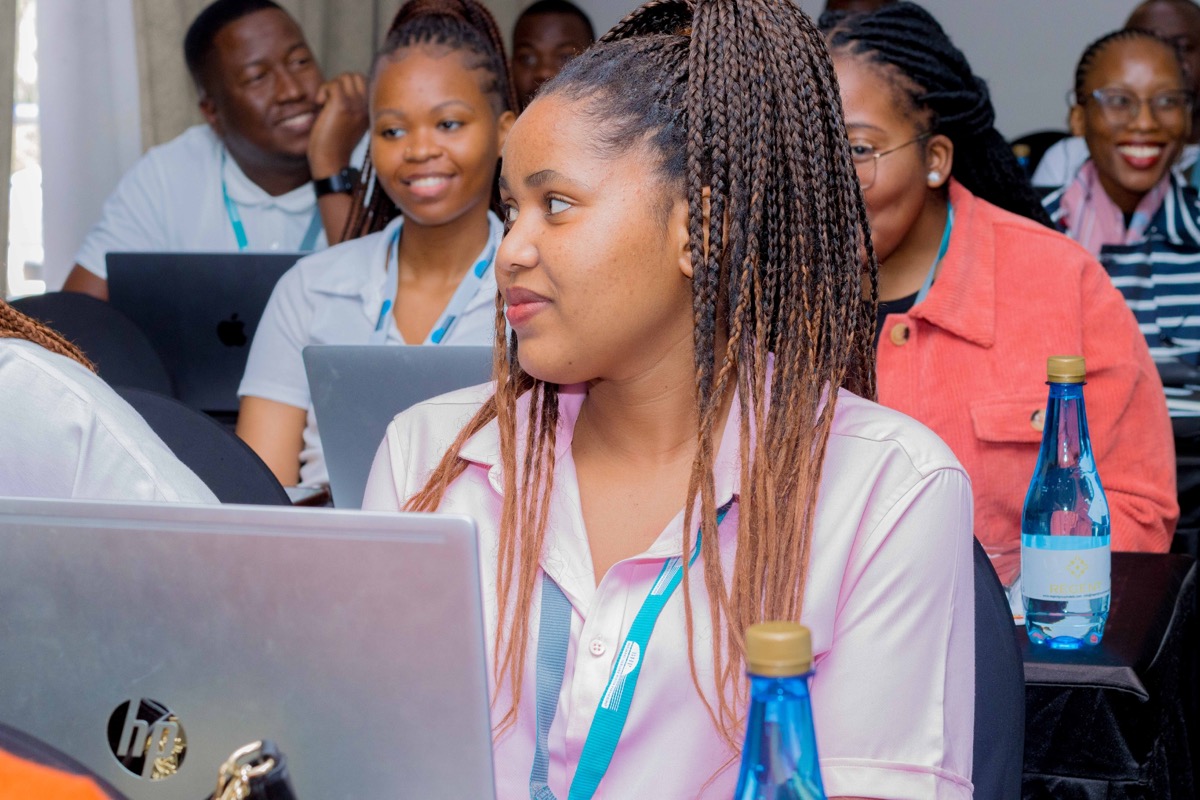
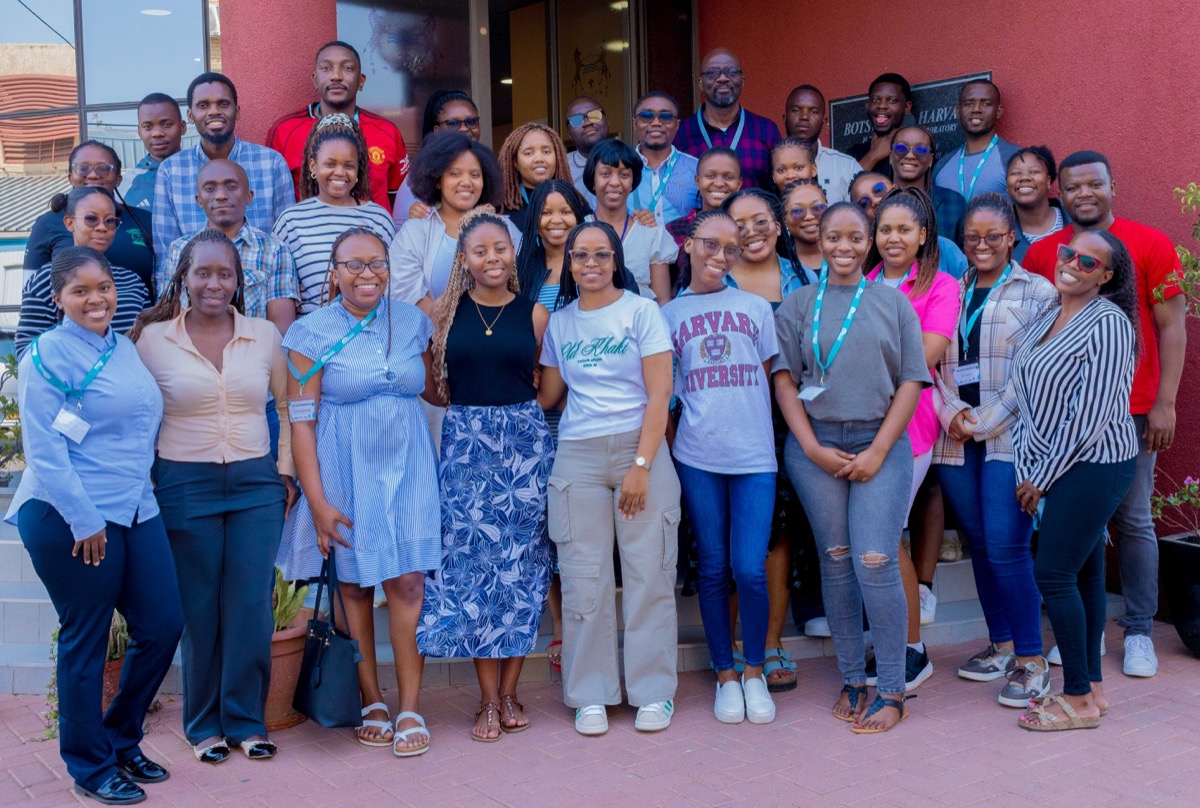
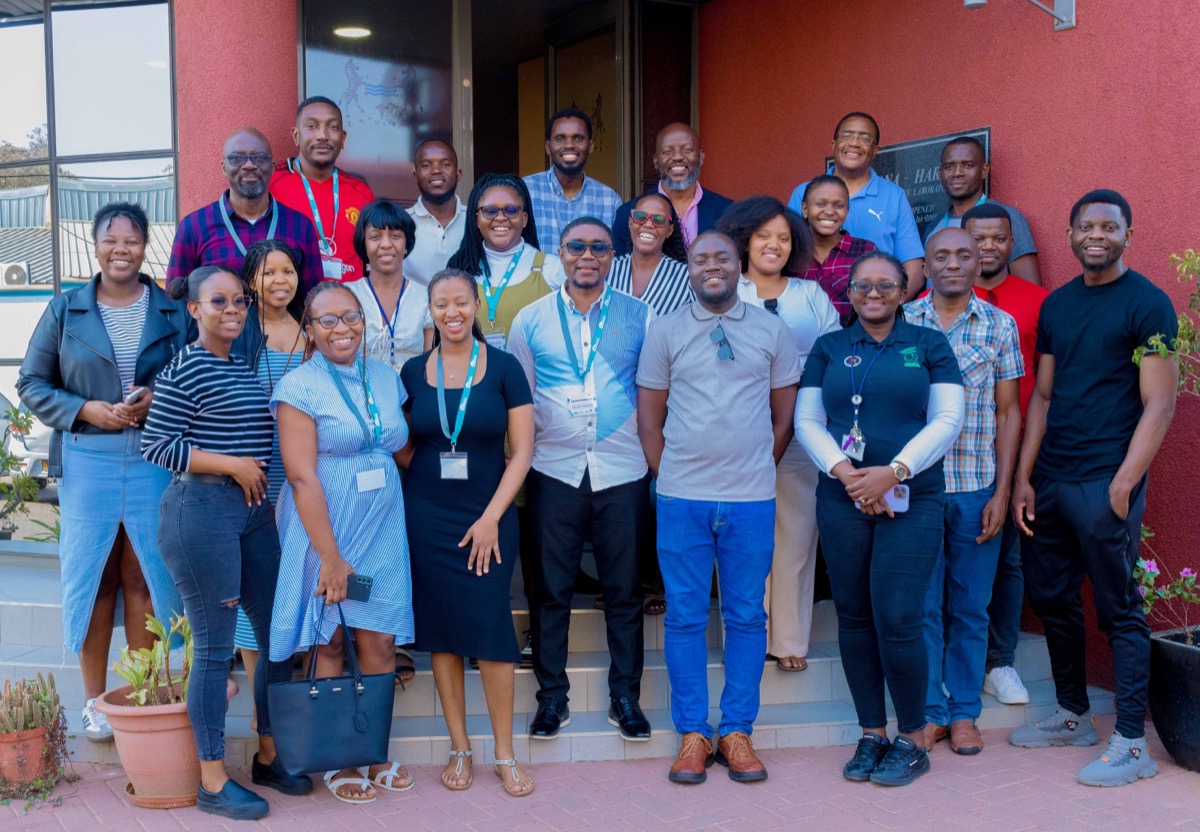
The Virus Evolution and Genomics Workshop brought together 46 in-person participants from across the African continent. The five-day workshop, aligned with the SANTHE–Gates Foundation collaboration, aimed to enhance regional expertise in viral genomics, phylogenetics, and outbreak investigation.
The workshop served as a platform to harmonize analytical approaches across African research sites, build practical bioinformatics skills, and foster collaborative networks among early-career and senior scientists.
Participants came from Botswana, Zimbabwe, Uganda, Zambia, Cameroon, Kenya, Nigeria, South Africa, and Malawi, with multiple institutions represented in each country.
They included MSc and PhD students, postdoctoral researchers, medical scientists, lecturers, and junior faculty working in virology, bioinformatics, molecular biology, epidemiology, statistics, and public health.
What was covered
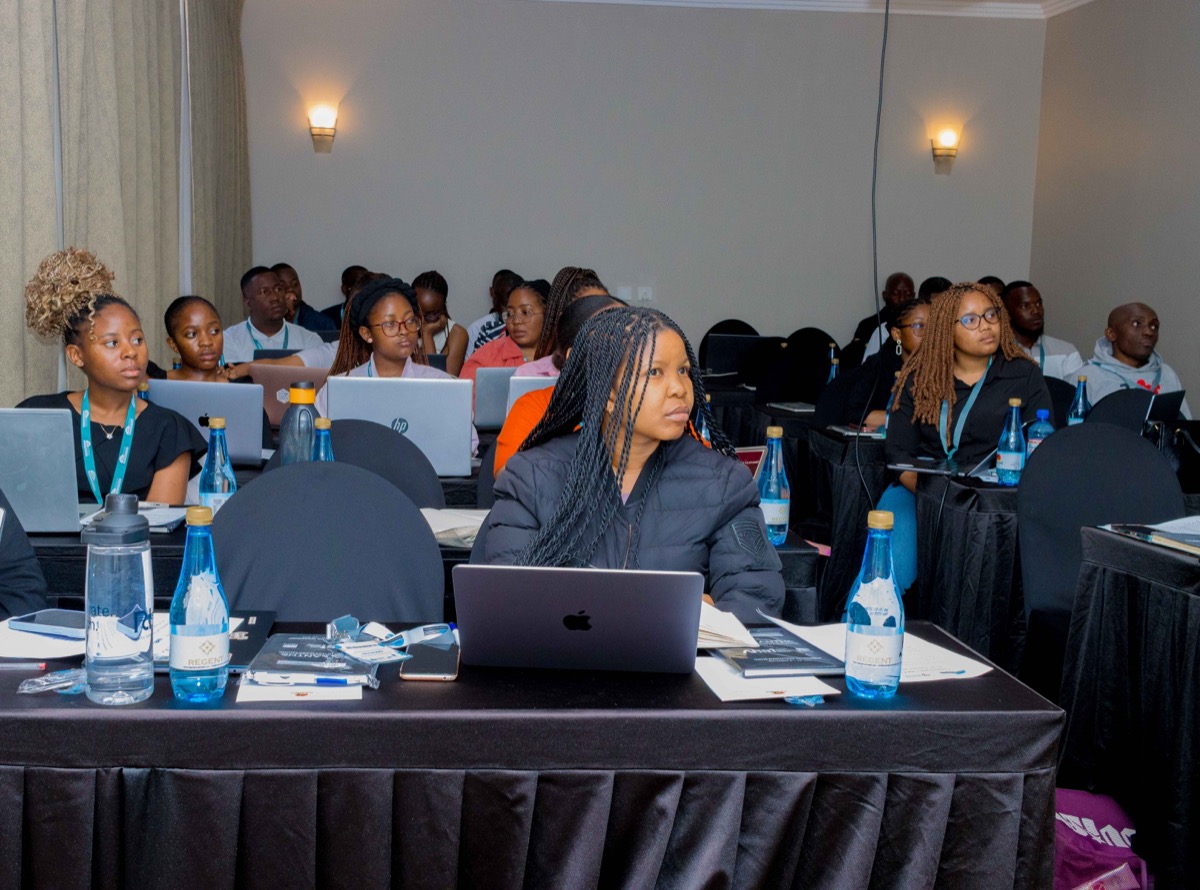
Training was intensive and hands-on, focused on molecular epidemiology, sequence alignment, phylogenetic inference, mutation profiling, and phylogeography — with an emphasis on applying these skills in real-time genomic surveillance and outbreak response.
Monday 8 September · Foundation & Introduction — Virus Evolution and Phylogenetics
| Time | Session | Led by |
|---|---|---|
| 8:00 – 8:30 | Registration & Welcome Coffee | |
| 8:30 – 10:30 | Opening: Welcome Address; Workshop Objectives; Introduction to the Gates Foundation and SANTHE Partnership; Participant Introductions & Expectations | Dr. Gaerolwe Masheto; Prof. Moyo & Dr. Simani Gaseitsiwe |
| 11:00 – 12:30 | From sample to sequence (step-by-step) | Kedumetse Seru |
| 14:00 – 15:00 | Keynote: Current Landscape of Viral Genomics in Africa; From Sanger to NGS; Research Priorities and Opportunities | Prof. Sikhulile Moyo |
| 15:05 – 16:00 | Software installation — MEGA/IQ-TREE, Geneious/UGENE, R/RStudio, command line tools, BEAST, TreeTime | Dr. W. Choga, P. Sabone, F. Kato, K. Mwikali |
| 16:20 – 17:00 | Introduction to the command line | Dr. Wonderful Choga |
Tuesday 9 September · Sequencing Analysis & Phylogenetics — Quality research and sequencing
Faculty: Prof. S. Moyo, Prof. Eric Hunter, Dr. W. Choga, Dr. San James · TAs: Natasha, Tsholo, Moses, Kioko, Frank
| Time | Session |
|---|---|
| 9:00 – 10:30 | Recap; Laboratory Best Practices; Quality Control in Genomic Research; Case Studies from Regional Labs |
| 11:00 – 13:00 | Sanger Sequencing Analysis — chromatograms, freeware options (FinchTV, Chromas), quality assessment; practical on sample sequences |
| 14:00 – 15:00 | Sequence Mining & Editing — GenBank/BLAST navigation, alignment, trimming, FAIR data principles, database submission, metadata standards |
| 15:30 – 17:00 | Next-Generation Sequencing — long vs short read, depth vs coverage, quality metrics, file formats; practical NGS pipeline |
Wednesday 10 September · Alignments & Phylogenetic Analyses — Complex sequence analyses and data interpretation
Faculty: Prof. Moyo, Dr. W. Choga, Dr. San James · TAs: Moses, Maclay, Kioko, Frank
| Time | Session |
|---|---|
| 9:00 – 10:00 | Keynote: Trends in HIV research (HIV cure) — Prof. Catherine K. Koofhethile |
| 10:00 – 11:00 | Sequence alignments and introduction to phylogenetics — distance- vs character-based methods, model selection (ModelFinder), maximum likelihood and bootstrapping, Bayesian inference (BEAST), phylogeography, posterior probability |
| 11:15 – 13:00 | Practical: building trees with MEGA/IQ-TREE; parameter optimization; tree visualization and annotation |
| 14:00 – 15:30 | Advanced phylogenetics — time-resolved phylogenies, phylo-tree I/E analysis, phylodynamics, phylo-epi analysis |
| 16:00 – 17:00 | Viral diversity — measuring genetic diversity, population dynamics, transmission cluster and network analysis, source attribution, public health applications |
Thursday 11 September · Viral Diversity & Recombination — Complex viral phenomena
Faculty: Dr. San James, Natasha Moraka-Mankge, Derek Tshiabuila, Dr. W. Choga
| Time | Session |
|---|---|
| 9:00 – 10:00 | Viral mutations — types, significance and interpretation; HIV drug resistance mutations (Natasha); introduction to structural biology and 3D modelling; mutation annotation on 3D scaffolds (Wonderful) |
| 10:15 – 13:00 | Mutation calling and annotation; clinical significance; practical mutation profiling |
| 14:00 – 14:30 | Viral recombination — mechanisms, detection methods (RDP, SimPlot), HIV subtype analysis |
| 15:00 – 17:00 | HIV recency testing — principles of recency assays, molecular markers, integration with surveillance data, PhyloTSI |
Friday 12 September · Integration & Application — Bringing it all together
| Time | Session |
|---|---|
| 9:00 – 10:00 | Final day overview |
| 10:00 – 11:30 | AI and integrated analysis pipeline — introduction to AI in genomics, complete workflow review, automation options, quality checkpoints |
| 11:45 – 13:00 | Workshop evaluation — feedback, group discussion, suggestions for future workshops |
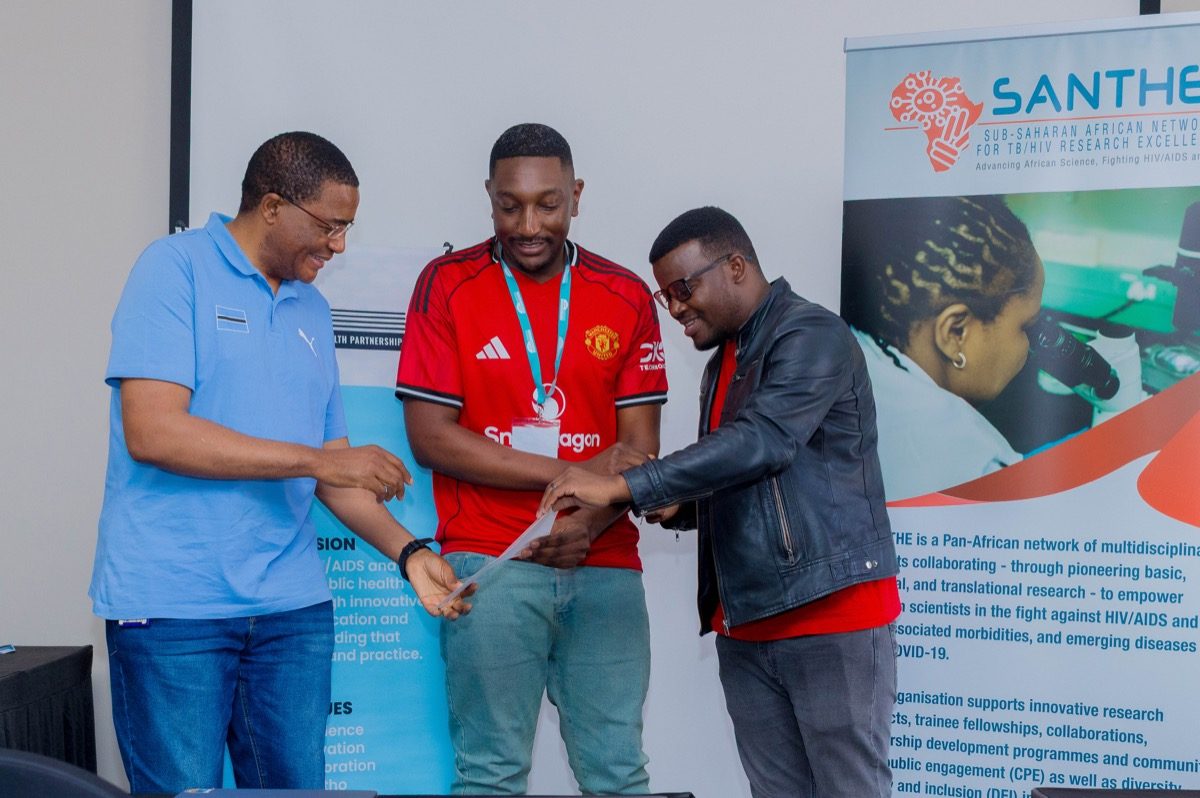
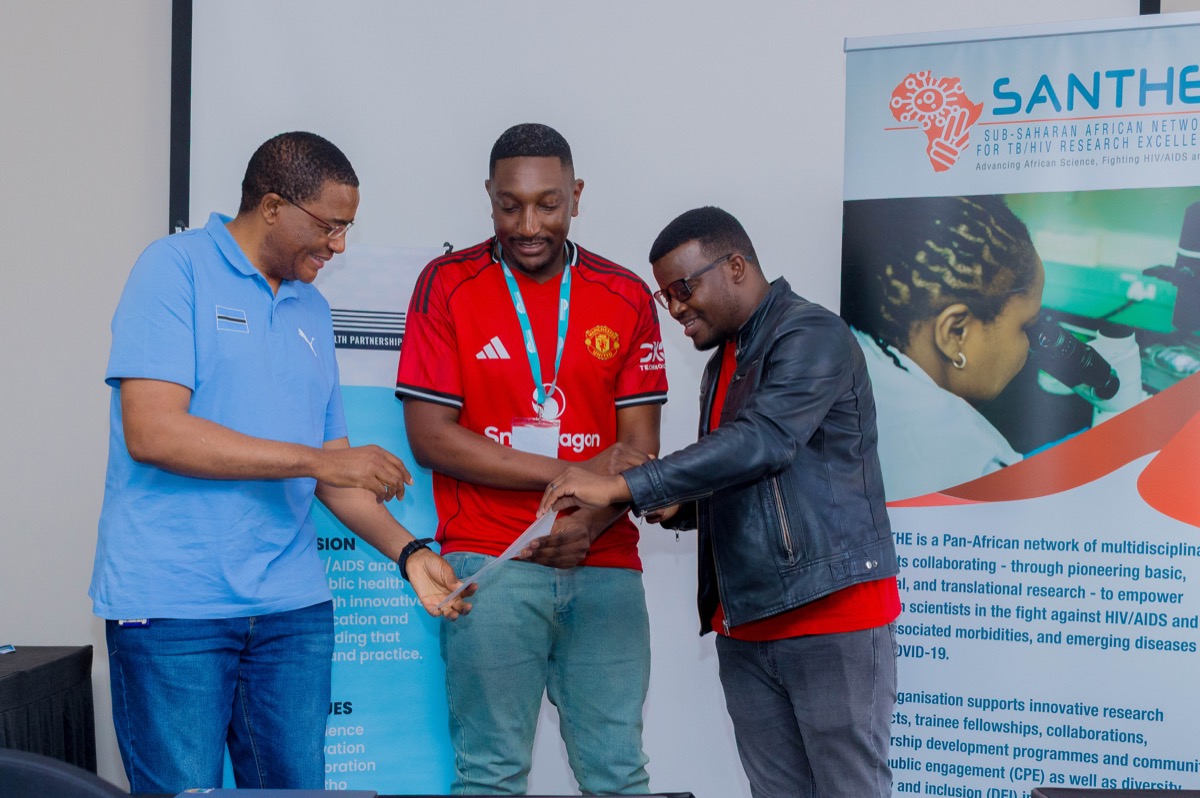
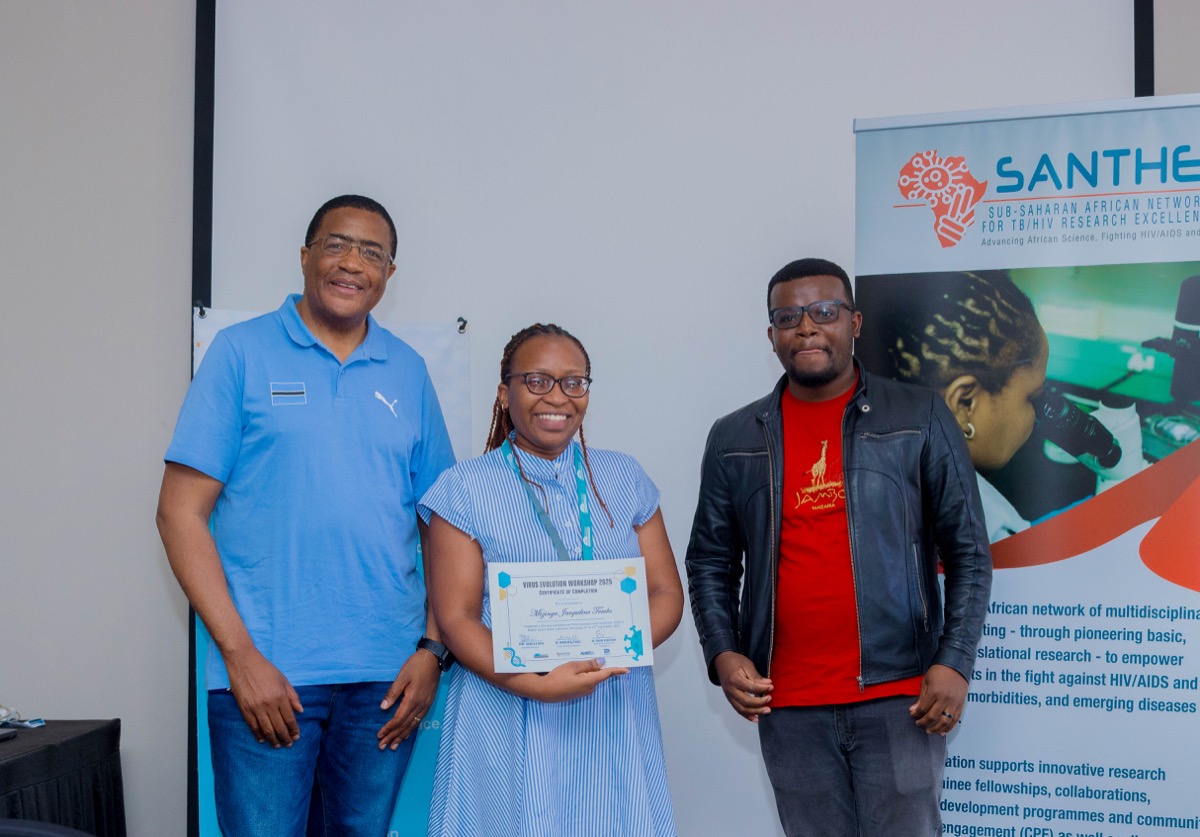
| 13:00 – 13:20 | Closing ceremony — certificates, closing remarks, networking reception |
Workshop manual (digital and print) · software installation guides · sample datasets · reference materials and key publications · access to online resources · certificate of completion
Outcomes
All participants completed practical workflows in phylogenetics and mutation profiling, with 85% achieving full end-to-end analysis competency using the provided datasets.
Beyond the technical training, the workshop produced several durable outcomes:
- Harmonization across SANTHE sites. Participants reached agreement on a shared set of methodologies for phylogenetic analysis, mutation curation, and outbreak data interpretation — expected to improve consistency across African sites, reduce duplication, and increase the impact of local and regional outbreak responses.
- A regional viral genomics curriculum was initiated, with lecture slides, tutorials, and datasets archived for future use.
- A weekly bioinformatics course was established, providing ongoing guidance, mentorship, and a collaborative analysis platform for participants.
- Slack and WhatsApp groups were set up to enable peer engagement and resource sharing beyond the workshop.
- New research links formed across institutions in Botswana, Zimbabwe, Uganda, Zambia, Cameroon, Kenya, Nigeria, and South Africa.
The workshop reaffirmed SANTHE’s role as a central hub for bioinformatics and viral evolution training in Africa, supporting the Gates Foundation’s broader vision of a connected, resilient African genomics ecosystem. In addition to strengthening technical capacity, it fostered mentorship and scientific relationships by creating opportunities for junior scientists to engage directly with senior researchers and bioinformatics leaders.
Next steps
- An online repository of harmonized tools and tutorials.
- Continued mentorship pairing between junior and senior researchers.
- An advanced Virus Evolution and Genomics Workshop in 2026, with deeper modules on pathogen evolution.
- Expanded funding partnerships to scale harmonized genomic analysis capacity to additional African regions.
Gallery
Acknowledgements
The workshop was made possible through the support of SANTHE, the SANTHE–Gates Foundation partnership, the Botswana Harvard Health Institute, the University of Botswana, and partner institutions across Cameroon, Zimbabwe, Zambia, Uganda, Kenya, Nigeria, and Malawi.
Its success is a testament to the dedication of the faculty facilitators, collaborating institutions, and the enthusiastic participation of emerging scientists from across the continent.
Gallery
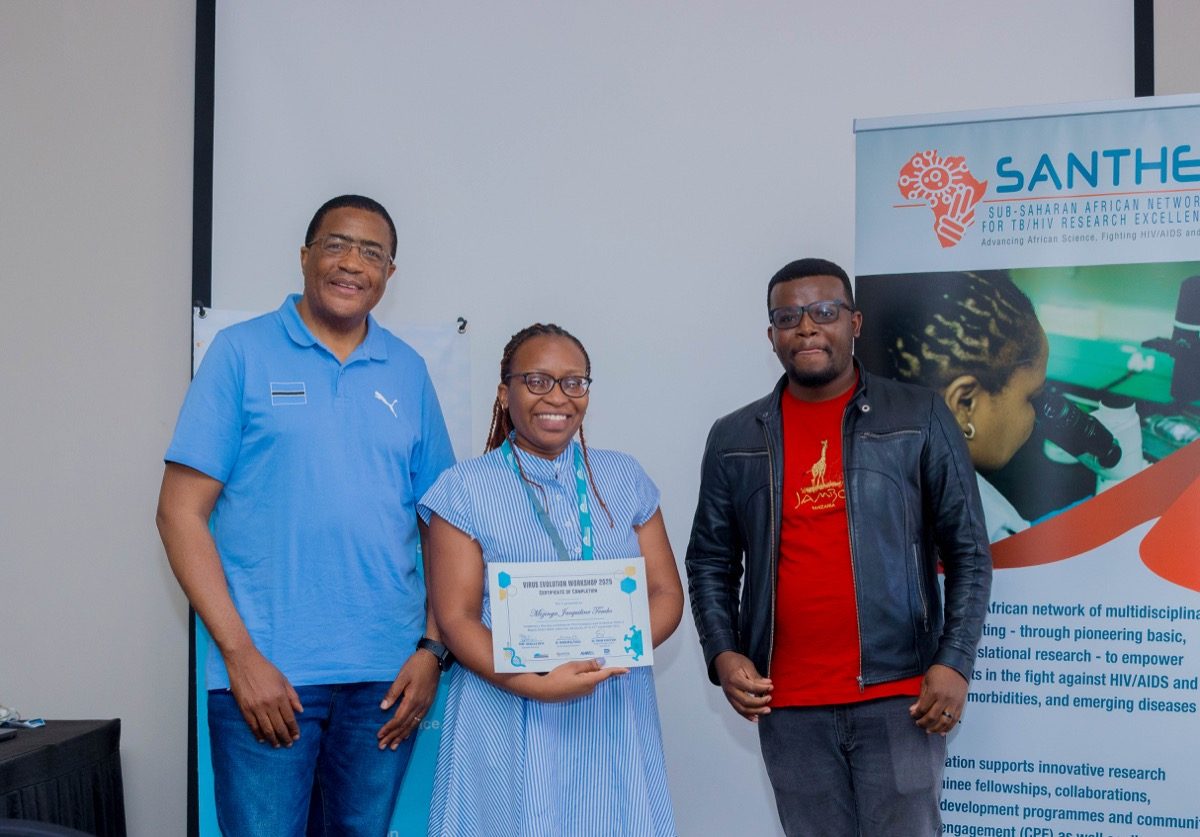
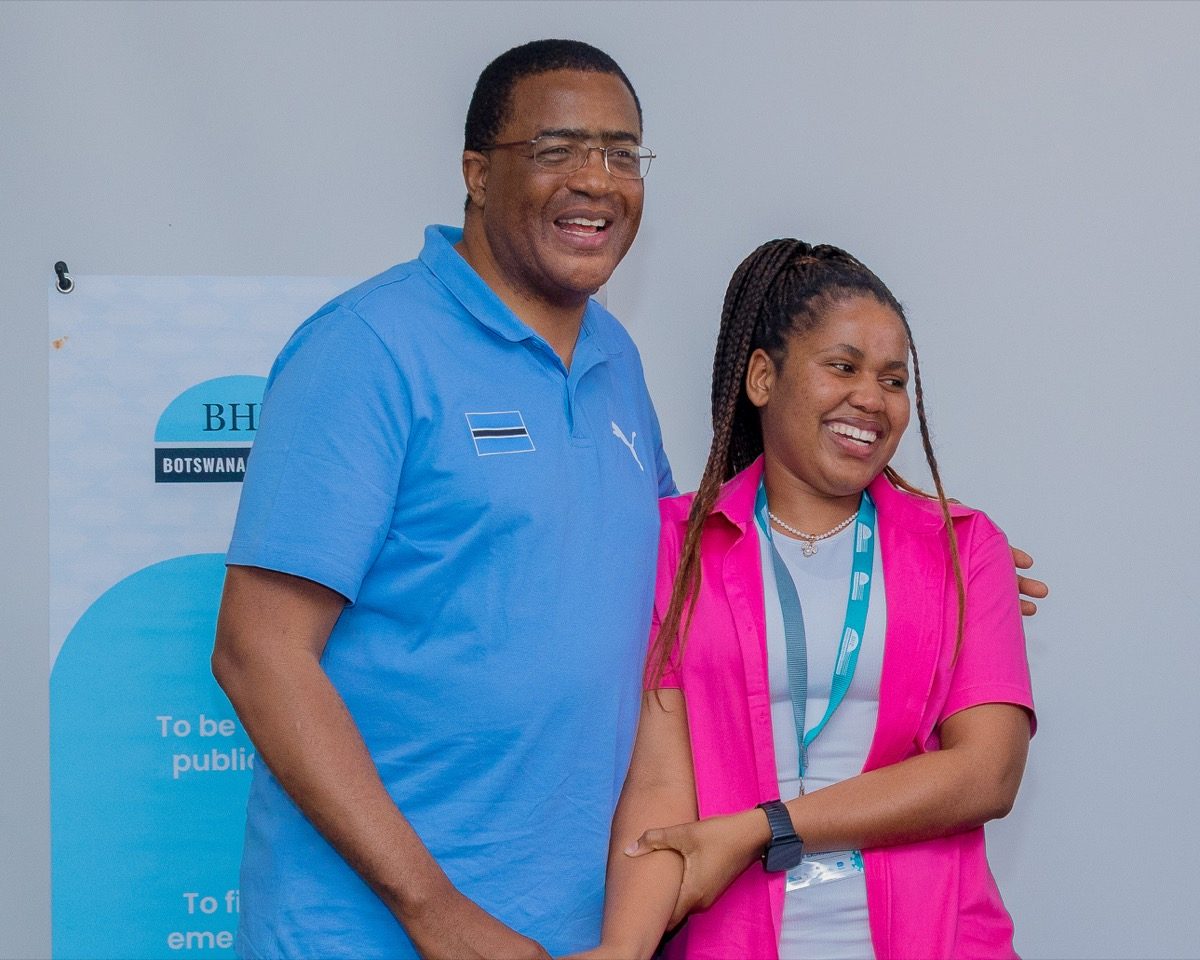
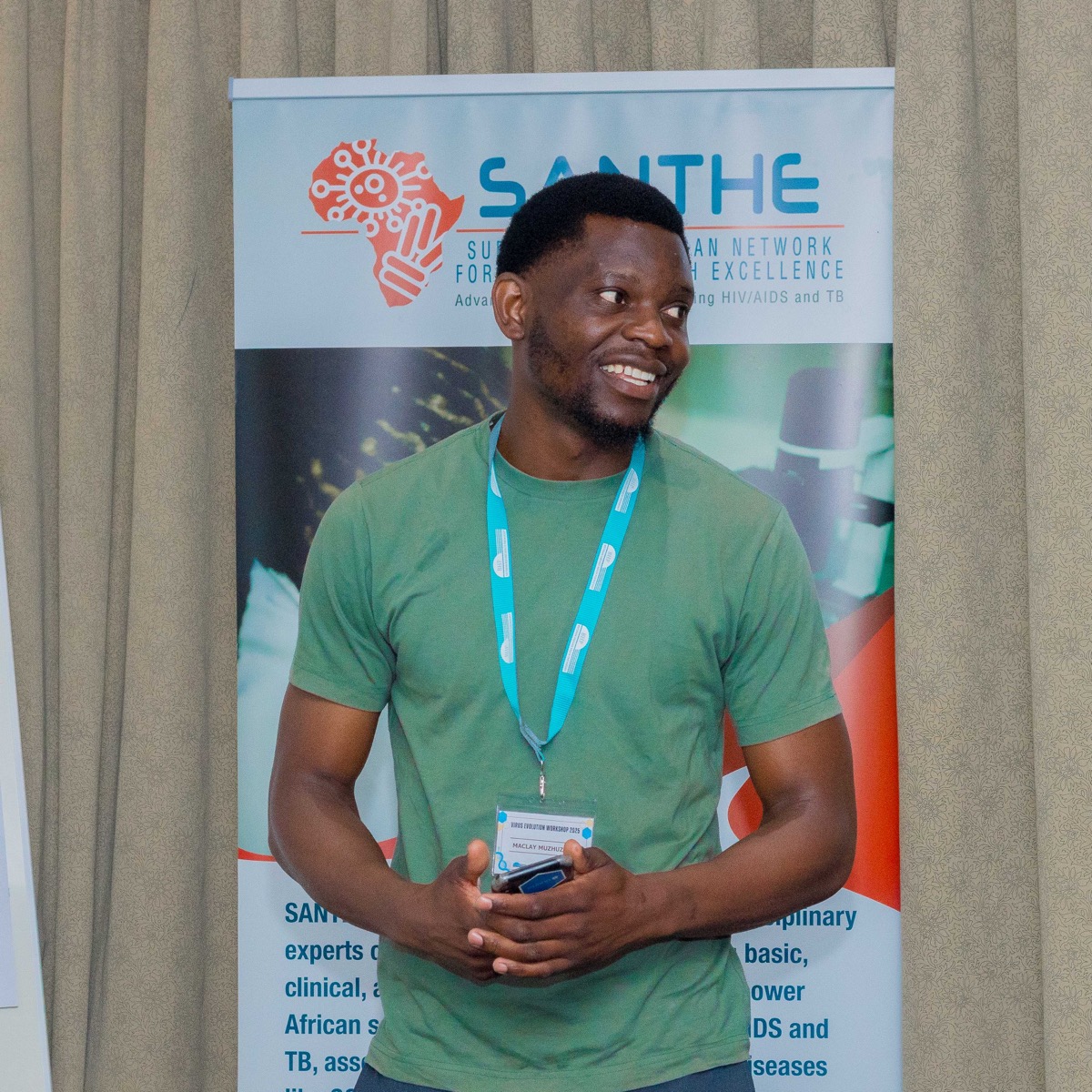
Moments from the September 2025 workshop in Gaborone. Click any photo to enlarge.